
Most of the winter wildlife and mouse jobs we do around Lawrence Township, Princeton, Hopewell and Hamilton could have been avoided with an hour on a ladder in October. Not by us. By the homeowner, with a flashlight, before the first freeze, walking the outside of the house the way an animal does. Here is the checklist we’d use on our own homes, in the order the animals test things.
1. The roofline
This is where squirrels, raccoons and bats get in, and it’s the part of the house nobody looks at. Stand back from each side of the house and look along the edge where the roof meets the fascia. You’re looking for a gap you could fit two fingers into, a soft or stained section of fascia board, a soffit panel that’s sagging, or a spot where a porch roof or addition meets the main roof and the joint has opened. On the older homes in Princeton, Pennington and Hopewell Borough, that joint is the single most common entry point we find. On the mid-century houses in Hamilton and Ewing it’s usually a rotted section of fascia behind a gutter.
2. Vents, caps and chimneys
Gable vents need a screen behind the louvers; on a lot of older houses it was never installed or has rusted through, and that’s a bat and squirrel doorway. Ridge vents should sit tight with no lifted sections. Bathroom and dryer vents need a working flap or a screened cover, and the dryer vent especially draws mice because it’s warm. The chimney needs a cap, and if it has one, check that the mesh is intact. An uncapped chimney in Mercer County is a raccoon den by December.
3. Where things enter the house
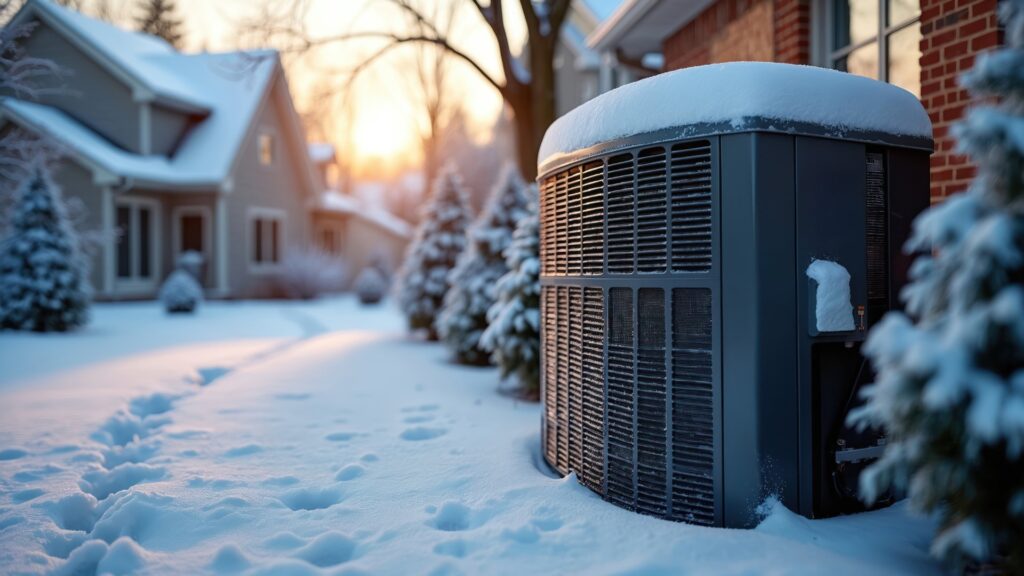
Every pipe, wire and line that comes through the wall came through a hole, and the hole is almost always bigger than the pipe. The AC line set, the cable and fiber drops, the gas line, the outdoor spigots, the electrical service. Mice use these more than anything else on the house because warm air leaks out around them. Steel wool packed into the gap and covered with sealant is a good stopgap; a proper job uses hardware cloth or metal flashing so nothing can chew through.
4. The garage
Close the garage door and look at the bottom from inside with the lights off. If you see daylight at the corners or along the bottom, mice see an open door. Bottom seals flatten and crack, and on many houses around here they’re original. It’s an inexpensive part and it’s the highest-value fix on this list. While you’re in there, get birdseed, grass seed and pet food into sealed containers, because those bags are what the mice come for once they’re in.
5. Under the deck, porch and shed
Skunks, groundhogs and, in winter, raccoons and rats den under anything with a gap beneath it. Lattice and skirting with an opening at ground level is an invitation. The fix is hardware cloth run down the skirting and bent outward a few inches below grade so nothing digs under it. If there’s already a burrow, that’s a removal job first; sealing an animal in is worse than leaving it out.
6. The yard
Branches within a few feet of the roof are a squirrel highway; trim them back. Firewood stacked against the house is a mouse hotel; move it off the ground and away from the wall. Pull mulch back from the siding so it isn’t touching the house. Take bird feeders down for the winter or move them well away from the house, because they feed the squirrels and the mice you’re trying to keep out. Lock the trash and keep it off the deck; raccoons in Central Jersey have learned every lid design there is.
What to do if you find something already open
Don’t seal it yet. If there’s fur, grease marks, droppings or chewed edges around a gap, something is using it, and closing it with an animal inside means it either dies in the wall or chews a new way out. Call us. We’ll confirm what it is, get it out humanely with one-way doors or trapping, then close the opening and every other one we find. That’s the difference between wildlife exclusion and a patch job.
And if the list above feels like more than you want to do on a ladder in November, that’s a fair reaction. We do the whole inspection as part of any wildlife or rodent visit, and homes on our Comprehensive Rodent & Pest Defense Plan get the entry points checked every season, with unlimited callbacks if anything covered shows up in between.
We’re based on Franklin Corner Road in Lawrence Township and cover all of Mercer County, plus Middlesex, Somerset and Bucks County, PA. Call 609-356-PEST (7378) or request a free inspection before the first freeze, and you’ll have a quieter winter.