
Getting a house ready to sell comes with a long list: repairs, paint, photos, and paperwork. One item that often gets overlooked until the last minute is the termite inspection. Many buyers and lenders ask for one, and when it turns up a problem during the sale, it can stall closing or reopen negotiations.
Scheduling a WDI inspection before selling a house puts you a step ahead. You find out what’s there while you still have time to deal with it, and you go into the listing with a clear report instead of an open question.
What Is a Wood Destroying Insect Inspection?
A wood destroying insect inspection, usually shortened to WDI, is a visual check of a home for insects that damage wood and for the conditions that attract them. It’s the inspection most people mean when they say “termite inspection” during a home sale.
Most real estate transactions use a standard form called the NPMA-33 Wood Destroying Insect Inspection Report. Guidance for the form notes that it must be used for HUD and VA guaranteed property transactions, and it’s also commonly used for conventional sales.
What the Inspector Looks For
For this type of inspection, wood destroying insects include four groups:
- Termites, the main concern for most homes in New Jersey and Pennsylvania, where subterranean termites live in the soil and travel up into wood
- Carpenter ants, which hollow out damp wood to nest
- Carpenter bees, which bore round holes in decks, fascia, and exposed trim
- Wood-boring beetles, such as powderpost beetles, which can live in older framing and flooring
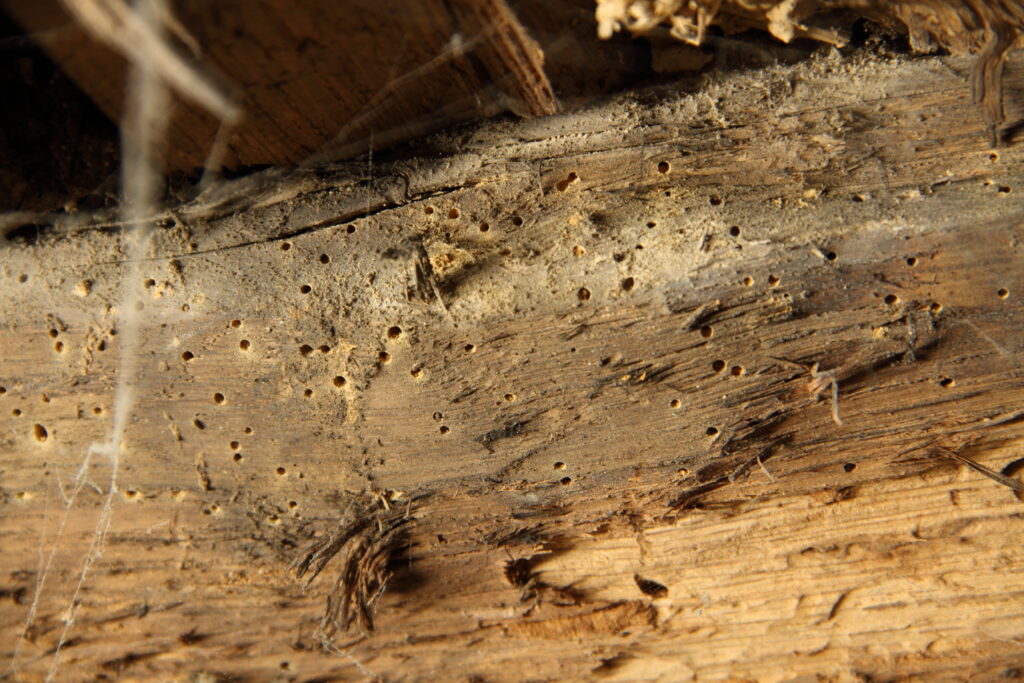
The inspector looks for live insects, dead insects or wings, mud tubes, frass, exit holes, and visible damage. They also note conditions that make an infestation more likely, such as wood touching soil, moisture problems, firewood stacked against the foundation, and poor drainage.
What the WDI Report Includes
The report states whether visible evidence of wood destroying insects was found, what kind, and where. It notes any visible damage, any areas the inspector couldn’t access, and whether there are signs of past treatment.
It’s worth understanding the limits, too. The report reflects what’s visible on the day of the inspection. It isn’t a structural damage report, and it doesn’t cover mold, mildew, or wood rot. If damage is noted, a contractor may need to assess how serious it is.
Why Sellers Should Schedule a Termite Inspection for Home Sale Early
In many sales, the buyer orders the WDI inspection after an offer is accepted. That’s often the worst time to learn about termites, because every finding becomes part of the negotiation and the clock is already running toward closing.
Ordering a termite inspection for home sale before you list changes that. Here’s what sellers usually gain:
- Time to fix it on your terms. If the inspector finds activity, you can schedule treatment and any repairs before buyers ever walk through.
- Fewer surprises during the buyer’s inspection. A problem you’ve already handled, with paperwork to show for it, tends to worry buyers far less than one they discover themselves.
- Better footing in negotiations. Without an unexpected finding, there’s less room for last-minute price cuts or repair credits.
- Something concrete for your agent. A recent report gives your listing agent a clear answer when buyers ask about termites.
A WDI inspection before selling a house won’t stop a buyer from ordering their own, and in many cases their lender will require one anyway. What it does is make sure nothing in that second report catches you off guard.
It makes particular sense for older homes, houses with finished or damp basements, homes on wooded lots, and any property with a history of termite treatment.
How Long Does a WDI Inspection Take Before Selling a House?
For an average-size home with easy access, the inspection itself usually takes about 30 minutes to an hour. Larger homes, crawl spaces, finished basements, or a lot of stored items against the walls can stretch that to an hour or two. The technician can confirm how long your home will take, and when to expect the written report, when you schedule.
That’s a small amount of time compared to the rest of a sale, which is one more reason a WDI inspection before selling a house is easy to fit in before you list.
What Affects the Timing
A few things decide whether the visit is quick or takes longer:
- Home size and layout. More square footage, additions, and attached structures mean more ground to cover, inside and out.
- Crawl spaces. These take time to enter and check carefully, especially if they’re tight or damp.
- Finished basements. Drywall, paneling, and carpet hide much of the framing, so the inspector has to work around them and look for indirect signs.
- Attics and attached garages. Both are checked when accessible, and storage piled in either one slows things down.
- Outdoor features. Decks, porches, fences touching the house, and wood piles near the foundation all get a look.
How to Prepare for the Visit
A little prep keeps the inspection faster and the report more complete. Areas the inspector can’t reach get listed as inaccessible, and buyers tend to notice that.
- Pull boxes and furniture a couple of feet away from basement walls so the foundation and sill plate are visible.
- Clear the path to the attic hatch and the crawl space entrance.
- Move stored items away from the walls in an attached garage.
- Unlock gates, sheds, and any outbuildings you want included.
- Have any past termite treatment paperwork ready to share.
What Happens If the Inspection Finds Termites or Damage?
A finding isn’t the end of a sale. Termites are common in New Jersey and Pennsylvania, and buyers and agents see these reports all the time. What matters most is that the problem is identified, treated, and documented.
Treat the Activity
If the inspector finds live termites or other active wood destroying insects, the next step is treatment. A technician will explain what’s needed for your home and where, and just as important, what isn’t needed. Our termite control work starts with finding where the termites are getting in, so treatment goes where it will actually do something.
Get Damage Looked At
If the report notes visible damage, have a contractor assess it. The WDI report shows where the damage is, but it doesn’t say how serious it is. Minor damage to a sill plate or a section of trim is often a straightforward repair, and fixing it before listing removes a question buyers would otherwise ask.
Keep the Paperwork
Save the inspection report, the treatment record, and any repair invoices. Together, they show buyers that the issue was found and handled, which usually goes over much better than a finding with no explanation.
Consider Ongoing Protection
Some buyers feel more comfortable when the home comes with ongoing termite coverage. A termite protection plan includes an annual inspection, maintenance of the monitoring stations placed after treatment, and a renewable warranty that covers retreatment if termites come back. Where it makes sense, setting one up before closing means the new owner starts with a warranty in place, which is a useful point to share with buyers. Ask us exactly what the plan covers before you decide.
Frequently Asked Questions
Who pays for a termite inspection when selling a house in NJ or PA?
It depends on the sales contract and the buyer’s loan. In many sales, the buyer orders and pays for the WDI inspection as part of their own inspections. Some contracts or loan programs shift that cost to the seller. A seller who chooses a pre-listing inspection pays for that one. Your real estate agent can tell you what your contract says.
Is a WDI inspection required to sell a house?
There usually isn’t a general rule that every seller must have one, but most local closings include a termite inspection anyway. Many lenders require it, and VA and HUD-backed transactions call for the standard NPMA-33 form. Even when it’s optional, most buyers ask for one. Scheduling a WDI inspection before selling a house simply means you see the results first.
How long is a WDI report good for?
There’s no single expiration date. Lenders and loan programs set their own windows, and many expect the report to be fairly recent, often within about 30 to 90 days of closing. If you inspect well before listing, the buyer’s lender may ask for an updated report closer to the closing date, so check with your agent or lender.
Can I sell a house with past termite damage?
Yes. Past termite damage is common in older homes and doesn’t stop a sale. Buyers mainly want to know that any activity was treated and that damage was repaired or assessed. Keeping treatment records and repair invoices, and disclosing what you know, makes the conversation much easier. Ongoing termite coverage can add even more confidence for buyers.
Get Ahead of the Buyer’s Inspection
The best time to learn about termites is before anyone else does. A WDI inspection before selling a house takes about an hour in most homes, and it can save you from a stressful surprise while you’re under contract.
Fuessel Pest is locally owned and operated, and we provide WDI inspections and written reports for sellers, buyers, and agents throughout the area, from pest control in Mercer County to Middlesex and Somerset counties and Central and Lower Bucks County. We’ll work with your listing timeline and give you a straight answer about what we find. Call 609-356-PEST (609-356-7378) or send us a message through our contact page to get your inspection on the calendar.