
You got home from a trip a few days ago, and now there are itchy red spots on your arms that weren’t there before. Or you’re making the bed and notice a few tiny dark specks on the sheet. It’s easy to brush off, but it’s also worth a closer look.
Knowing the signs of bed bugs after travel helps you catch a problem in the first days or weeks, while it’s still small. Bed bugs are much easier to stop when they’ve only made it as far as a suitcase or one bed than when they’ve spread through the house.
How Likely Is It to Get Bed Bugs From Traveling?
Most trips don’t end with bed bugs coming home. But travel is one of the most common ways they get into a house, so it’s worth a few minutes of attention every time you get back.
According to the Pennsylvania Department of Health, bed bugs usually move from place to place as people travel, riding in the seams and folds of luggage, overnight bags, folded clothes, and bedding. The same fact sheet notes that people who travel often, or who sleep where many others have slept before, face a higher risk.
Why Bed Bugs Travel So Easily
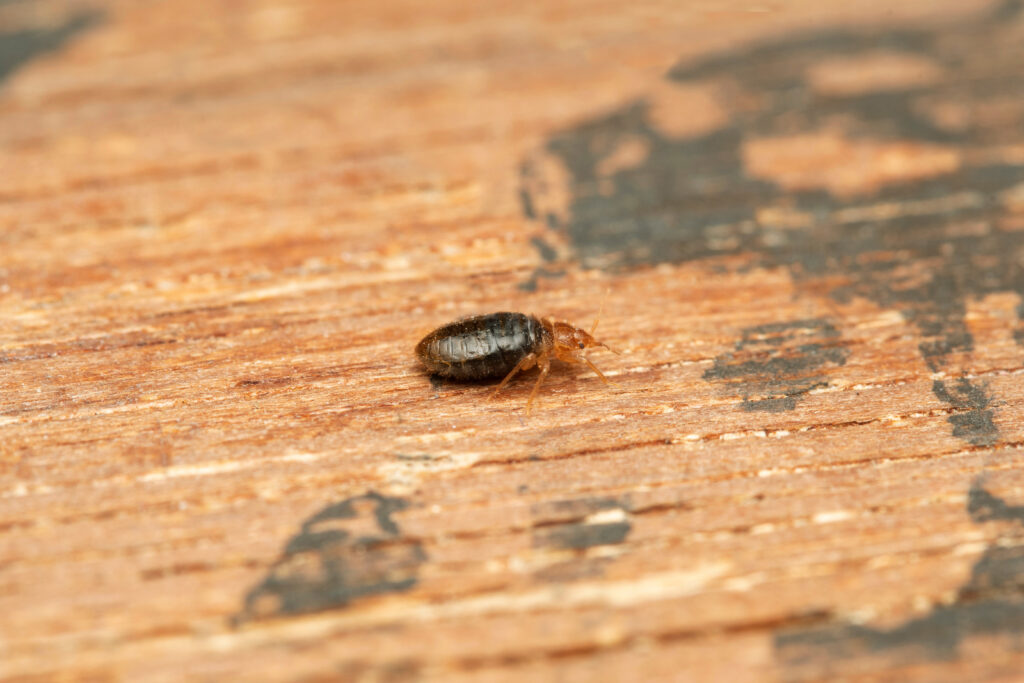
Bed bugs don’t live on people the way lice or fleas do. They feed at night, then crawl back into a hiding spot, and a suitcase sitting near a hotel bed makes an easy one. They’re about the size of an apple seed, flat enough to slip into a zipper track or a seam, and they can go a long time between meals.
That’s why they turn up in hotels, short-term rentals, dorms, and sometimes buses, trains, and planes. It has nothing to do with how clean a place looks. Even a well-kept hotel can have a room with bed bugs because a previous guest brought them in.
The good news is that they’re not known to spread disease, and catching them early, before they settle into your own bedroom, makes a big difference. If they do make it into your home, hiring a bed bug exterminator is usually the better route than attempting DIY treatment, since store-bought products rarely reach the eggs and can scatter the bugs into other rooms.
What Are the First Signs of Bed Bugs After Travel?
The first signs of bed bugs after travel are usually small rust-colored or dark spots on your sheets or mattress seams, itchy bites that appear in a line or cluster, and tiny pale shed skins. You may also spot a live bug in a suitcase seam or along the edge of the mattress. These signs often show up within days to a few weeks of getting home.
You don’t need all of them at once. One clear sign is enough to look more closely.
Signs on Your Bed and Sheets
The bed is where bed bugs settle first, because it’s where they can feed. Check the sheets, the mattress seams and tag, the box spring, and the headboard for:
- Rusty or reddish stains from bugs crushed while you sleep
- Small dark spots about the size of a period, which are droppings and may bleed into the fabric like a marker
- Pale, papery shed skins left behind as young bed bugs grow
- Tiny white eggs about the size of a pinhead, usually tucked into seams or crevices
- Live bugs, flat and reddish-brown, often hiding along piping or in corners
A flashlight helps a lot. Bed bugs avoid light and stay tucked into edges during the day.
Bites and How to Read Them
Bites are often the first thing people notice, but they’re the least reliable sign. Bed bug bites tend to be small, red, and itchy, and they often appear in a line or small cluster on skin that was exposed during sleep, like arms, shoulders, and neck.
The tricky part is that bites can look like mosquito or flea bites, and some people don’t react to bed bug bites at all. That’s why bites alone don’t confirm bed bugs. If you have bites, pair them with a careful look for the physical signs above. If a reaction is severe or seems infected, talk to a doctor.
Bed Bugs in Luggage and Clothing
Since bed bugs ride home in your bags, the suitcase is one of the best places to catch them early. Look closely at seams, zipper tracks, interior pockets, wheel housings, and the lining. Check the folds of clothing you wore or packed, especially items that sat near the hotel bed. Spotting signs of bed bugs after travel in your luggage, before anything reaches the bedroom, is the best-case scenario.
How to Check for Bed Bugs After a Trip
The goal is simple: inspect everything before it reaches your bedroom. Here’s how to check for bed bugs after a trip, step by step.
- Unpack somewhere other than the bedroom. A garage, laundry room, mudroom, or bathroom with a hard floor works best. Bed bugs are easier to spot on a light, uncluttered surface and have fewer places to hide.
- Inspect the suitcase with a flashlight. Go over every seam, zipper track, pocket, handle, and wheel area. Look for live bugs, dark spots, shed skins, and tiny eggs.
- Send travel clothes straight to the laundry. Put everything you packed, worn or not, through the dryer on the highest heat the fabric allows. Heat is what kills bed bugs, so the dryer matters more than the wash.
- Bag anything that can’t go in the dryer. Seal shoes, toiletry bags, and other items in a plastic bag until you’ve had a chance to inspect them closely.
- Vacuum the suitcase inside and out. Then empty the vacuum or remove the bag right away, seal it, and throw it out in an outdoor trash can.
- Store luggage away from bedrooms. A garage or basement shelf is better than under the bed or in a bedroom closet.
- Keep an eye on your bed for a few weeks. Bed bugs that slipped through may not show up right away. Check the sheets and mattress seams every few days for the signs above.
If you find something during any of these steps, don’t move the items around the house. Leave them bagged where they are and call for an inspection.
Best Practices for Preventing Bed Bugs From Travel
Prevention starts before you unpack at the hotel and ends after you unpack at home. If you’re wondering how to prevent bringing bed bugs home, most of it comes down to keeping your belongings away from the places bed bugs hide.
While You’re Away
- Check the bed before you settle in. Pull back the sheets at the corners and look along the mattress seams, the tag, and the headboard with your phone’s flashlight. It takes about two minutes.
- Keep luggage off the bed and the floor. Use the luggage rack, after giving it a quick look, or set your bag in the bathtub or on a hard counter.
- Don’t toss clothes on the bed or furniture. Hang them up or keep them zipped inside the suitcase.
- Pack a few large plastic bags. Use them to keep worn clothes sealed and separate until you get home.
- Speak up if you see something. If you find signs of bed bugs, tell the front desk or host right away and ask for a different room, ideally one that isn’t next door or directly above or below.
When You Get Home
- Unpack outside the bedroom, as described above.
- Run travel clothes through a hot dryer before putting them away.
- Vacuum the suitcase and store it away from sleeping areas.
- Consider a light-colored, zippered mattress encasement. It doesn’t stop bed bugs from arriving, but it makes them much easier to spot early.
None of these steps take long, and together they cover most of the ways bed bugs make it from a hotel room into a home.
When to Call a Professional for Bed Bugs
If you find a live bug, eggs, or the stains and shed skins described above, it’s time to call. The same goes for bites that keep appearing after you’ve washed everything and checked the bed.
Bed bugs are one pest where store-bought sprays and foggers usually make things harder, not easier. They tend to scatter the bugs deeper into furniture, walls, and nearby rooms without reaching the eggs. Laundering and vacuuming help, but they can’t reach a bed frame, a headboard, or the gaps behind an outlet cover.
What to Expect From a Visit
Professional bed bug treatment starts with a careful inspection to confirm it really is bed bugs and to find out how far they’ve spread. A technician will usually:
- Look over the bed, box spring, headboard, nearby furniture, and the luggage you traveled with
- Check baseboards, outlets, and other cracks close to where people sleep
- Explain what needs treatment and what doesn’t, so you’re not treating rooms that are clear
- Give you a short list of prep steps, like laundering bedding and reducing clutter
- Recommend a follow-up check, when needed, to make sure the treatment worked
The earlier you call, the smaller the job usually is. A problem caught in one bedroom a week after a trip is far simpler than one that has had months to spread.
Frequently Asked Questions
How soon do signs of bed bugs show up after travel?
It varies. Some people notice bites within a few days of getting home, while others don’t react to bites at all. Physical signs on the bed, like dark spots and shed skins, can take a few weeks to build up as a small number of bugs settles in. That’s why it helps to keep checking the bed for several weeks after a trip, not just the first night.
What do bed bug bites look like?
Bed bug bites are usually small, red, and itchy, and they often show up in a line or cluster on skin exposed during sleep, such as the arms, shoulders, and neck. They can look a lot like mosquito or flea bites, and some people have no reaction. Because of that, bites alone can’t confirm bed bugs; look for stains, droppings, or live bugs too.
Can bed bugs live in a suitcase?
Yes. Suitcases have plenty of seams, zippers, and pockets where bed bugs can hide, and adult bed bugs can survive a long time without feeding. That’s why it’s a good idea to inspect and vacuum luggage after every trip and store it away from bedrooms. Checking the suitcase is one of the easiest ways to catch the signs of bed bugs after travel early.
Will washing clothes kill bed bugs?
The dryer does most of the work. High heat is what kills bed bugs and their eggs, so put clothes and bedding through the dryer on the hottest setting the fabric allows. Many guidelines suggest at least 30 minutes. Washing alone, especially in cool water, isn’t as reliable, so don’t skip the dryer.
Bring Home Memories, Not Bed Bugs
A few habits on the road and a careful unpack at home go a long way. And if you do spot the signs of bed bugs after travel, there’s no need to panic or start tearing the house apart. Bag what you can, leave it where it is, and get a professional opinion.
Fuessel Pest is locally owned and operated, and we inspect for and treat bed bugs in homes throughout Mercer and Somerset counties, Central and Lower Bucks County, and pest control in Middlesex County. If you think something came home in your suitcase, call 609-356-PEST (609-356-7378) or contact us through our contact page. We’ll confirm what you’re dealing with and walk you through the simplest way to fix it.