
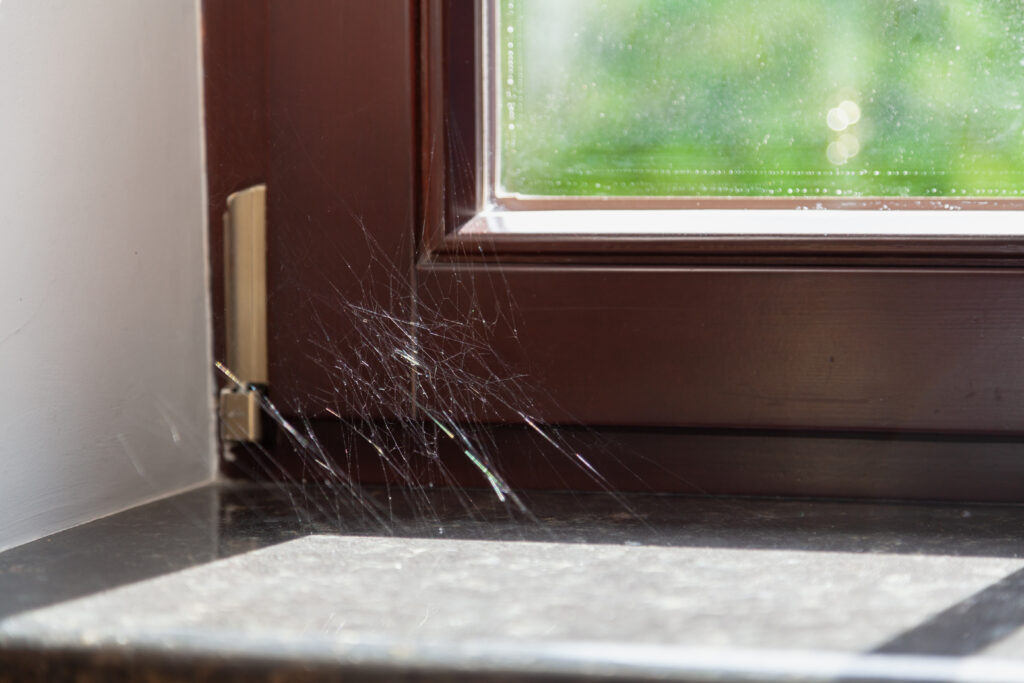
Every year, it starts around the same time the nights turn cool. A spider in the bathtub, webs in the basement corners, a big brown one darting across the living room floor. If you’ve been asking yourself why are there so many spiders in my house in fall, you’re far from the only one.
The short version: it’s a normal seasonal pattern, not a sign that something is wrong with your home. Most of the spiders you’re seeing are harmless, and a few simple changes can cut down how many make it inside.
Why Are There So Many Spiders in My House in Fall? The Short Answer
In fall, many spiders reach adulthood at the same time. Males leave their webs and wander in search of mates, cooler nights push some outdoor species toward shelter, and females look for protected spots to lay egg sacs. All that movement means you see far more spiders than you did in summer, even though most were already nearby.
Utah State University Extension describes the same seasonal pattern: as temperatures drop, spiders near the end of their life cycle and go looking for mates and places to lay eggs, so encounters in homes become more common. The details vary by species, but the timing is the same across most of the country, New Jersey and Pennsylvania included.
Male Spiders Are Out Looking for Mates
This is the biggest reason, and the one most people don’t expect. Many of the spiders you notice in fall are males that have just matured. Instead of staying put on a web, they roam the house at night following the scent of females, crossing floors, climbing walls, and dropping into bathtubs and sinks they can’t climb back out of.
That also means many of them aren’t new arrivals. Some house spiders live indoors all year in basements, wall voids, and quiet corners. You just see them more now because they’re on the move.
Cooler Nights Push Them Toward Shelter
Other spiders spend the summer outside in gardens, mulch, and leaf litter. As nights get colder and insects become scarcer, some of them, like wolf spiders and sac spiders, move toward the foundation and slip inside through gaps under doors, around windows, and along utility lines. Garages, basements, and crawl spaces are usually where they end up first.
More Insects Around the House Means More Food
Spiders go where their food is, which is a big reason so many homeowners end up searching “why are there so many spiders in my house in fall” this time of year. Late summer and early fall bring plenty of insects to porch lights, windows, and the edges of the house, and spiders follow them. If you have a lot of spiders in one spot, it’s often a sign that something is drawing insects there.
Common House Spiders in NJ and PA Homes
Penn State Extension notes that many spiders native to Pennsylvania come into homes, mostly during autumn, and the same species show up in Central New Jersey homes too. The good news is that nearly all of them are harmless to people.
The Harmless Ones You’ll See Most
- Common house spiders: small, brown or gray, with a round abdomen. They build messy, tangled webs in corners, windows, and garages, and they’re the spider most people mean when they say “house spider.”
- Cellar spiders: pale and delicate, with very long, thin legs. Many people call them daddy longlegs. They gather in basements, crawl spaces, and other damp, dark areas.
- Wolf spiders: larger, hairy, brown, and fast. They don’t use webs to catch prey; they hunt on the ground. They often wander in from the yard in fall and end up in basements and garages. They look intimidating but aren’t a health concern for most people.
- Jumping spiders: small, compact, and often fuzzy, with big front eyes. They hop rather than crawl and are common on windowsills and walls.
- Grass and funnel-weaver spiders: they build sheet-like webs with a funnel at one end, usually outdoors in shrubs and lawn edges, and sometimes in garages and window wells.
The Few Worth Caution
Two spiders get most of the attention, and both are rare here.
Black widows are native to Pennsylvania and the region, but according to Penn State Extension they’re rarely encountered and generally live outdoors. When they do turn up, it’s usually in undisturbed spots like woodpiles, sheds, under outdoor furniture, or in a cluttered garage. The female is glossy black with a red hourglass on the underside.
Brown recluse spiders aren’t native to Pennsylvania. Penn State Extension explains that they can’t survive the climate outdoors and are only found in heated buildings, usually after being carried in from other parts of the country in boxes or belongings. Many harmless brown spiders get mistaken for them.
If you think you’ve found either one, avoid handling it and have it identified. A technician can confirm what it is. If someone is bitten and has a strong reaction, call a doctor.
Are Fall Spiders a Sign of a Bigger Problem?
Usually not. A handful of spiders in fall is normal, even in a clean, well-kept home. Spiders actually help by eating flies, moths, and other insects, so a few in the basement aren’t doing any harm.
That said, a lot of spiders in one area is worth a second look. Spiders only stay where there’s food, so heavy activity often points to an insect problem nearby. When homeowners wonder why are there so many spiders in my house in fall, the honest answer is sometimes that the spiders are just the part you notice. Common culprits include:
- Moisture in a basement or crawl space that attracts insects
- Bright exterior lights that pull moths and gnats toward doors and windows
- Gaps under doors or around windows that let insects, and then spiders, inside
- Clutter in garages and storage areas that gives both insects and spiders places to hide
Webs and Egg Sacs
Fall is also when many females lay egg sacs, small round silk balls tucked into corners, behind boxes, or along window frames and rafters. Each one can hold a lot of eggs. Vacuuming webs and egg sacs as you find them is one of the simplest ways to keep next season’s numbers down, especially in basements and garages.
How to Keep Spiders Out of the House
You won’t get every spider out, and you don’t need to. But if you want to know how to keep spiders out of the house, the most effective steps are about closing the doors they use and cutting back the insects they follow.
Seal the Way In
- Add or replace door sweeps on exterior doors, including the door from the garage into the house.
- Re-caulk gaps around window frames, trim, and where siding meets the foundation.
- Seal openings around pipes, dryer vents, cable lines, and outdoor faucets.
- Repair torn window and door screens before you open windows on mild fall days.
Make the Outside Less Inviting
- Switch porch and entry lights to yellow “bug” bulbs or warm LEDs, which draw fewer insects.
- Trim shrubs, vines, and tree branches so they don’t touch the house.
- Pull mulch and leaf piles back a few inches from the foundation.
- Stack firewood away from the house and off the ground.
Keep the Inside Less Cozy
- Reduce clutter in basements, garages, and closets, and store items in sealed plastic bins instead of cardboard boxes.
- Run a dehumidifier in a damp basement or crawl space.
- Vacuum webs, egg sacs, and corners regularly, especially along baseboards and behind furniture.
- Shake out shoes, gloves, and stored clothing that have been sitting in the garage or basement.
These steps cut down on spiders and on the insects that bring them in, and they cost little more than an afternoon.
When Spider Control Makes Sense
For a few spiders in the basement, the prevention steps above are often enough. Professional spider exterminator is worth it when you’re seeing spiders in several rooms, finding new webs and egg sacs every week, or dealing with a lot of activity around doors, windows, and the garage. It’s also the right call if you think you’ve spotted a black widow.
Store-bought sprays tend to disappoint here. They kill the spider you hit, but they don’t do much about the gaps spiders use, the insects they’re feeding on, or the egg sacs tucked out of sight. A week later, there’s a new batch.
What Professional Spider Control Looks Like
Our spider control services starts with a look at what’s drawing spiders in: clutter, dampness, gaps, or other insect activity nearby. From there, a technician will usually:
- Treat the exterior perimeter, where most spiders and the insects they feed on come from
- Remove webs and egg sacs from eaves, windows, and entry points
- Point out gaps and conditions worth fixing so fewer spiders make it inside
- Come back on a seasonal schedule, since spider activity changes through the year
Why a Seasonal Plan Works Better Than One Visit
Spiders follow the seasons, so the protection should too. Our Essential plan covers spiders and other common household pests, starting from $50/month. It includes three seasonal exterior visits, an optional winter service, and unlimited callbacks between visits. If your home is older, on a wooded lot, or has had mice before, the Comprehensive plan, from $65/month, adds mice, carpenter ants, and stinging insects.
For most homes that mainly see spiders and ants, Essential is usually enough. We’ll tell you straight which one fits.
Frequently Asked Questions
Do spiders come inside to get warm in the fall?
Some do. Outdoor hunters like wolf spiders and sac spiders often move toward the foundation as nights cool and can slip inside through gaps. But many spiders seen in fall were already living indoors and are simply more active while males search for mates. So it’s partly about shelter, and partly about mating season making existing spiders easier to spot.
Should I kill the spiders in my house?
You don’t have to. Most house spiders are harmless and eat insects you’d rather not have around. If one bothers you, catching it under a cup and moving it outside works fine, and vacuuming webs and egg sacs keeps numbers down. If you’re seeing a lot of them, or you suspect a black widow, it’s better to have a professional take a look.
Are fall spiders dangerous?
Almost never. Nearly all the spiders that come indoors in fall in New Jersey and Pennsylvania are harmless to people. Black widows are native but rarely encountered and usually live outdoors, and brown recluse spiders aren’t native here. Spiders generally bite only when trapped against skin, so shaking out stored shoes and gloves is a good habit.
When do spiders go away after fall?
Activity usually drops off by late fall. Many of the wandering males die after mating season, and outdoor spiders slow down as temperatures fall. Spiders that live indoors year-round stay, but they’re far less noticeable in winter. If you’re still seeing lots of spiders well into winter, it may be worth an inspection.
Fewer Spiders, Starting This Season
So, why are there so many spiders in my house in fall? Mostly mating season, cooler nights, and the insects spiders follow, and almost none of it is cause for alarm. A few sealed gaps, better lighting, and a regular vacuum go a long way. When that isn’t enough, seasonal exterior service keeps the numbers down all year.
Fuessel Pest is locally owned and operated, serving homeowners in Mercer, Middlesex, and Somerset counties in New Jersey and Central and Lower Bucks County in Pennsylvania. If spiders have taken over the basement or garage this fall, call 609-356-PEST (609-356-7378) or use our contact page. We’ll take a look, explain what’s bringing them in, and tell you whether you need a plan or just a few fixes.